

Category: Buddhist Wisdom

A Path of Honesty
Shyalpa Rinpoche on not lying to yourself and why that's essential to Buddhist practice.

Profile: Zen Hospice Society
People who enter the Zen Hospice Project are not seeking a path of meditation, and they will not hear much about “Zen” or “Buddhism” while they are there.

Do Buddhists Pray?
A panel discussion with Mark Unno, Rev. Shohaku Okumura, Sarah Harding and Bhante Madawala Seelawimala on Buddhist prayer.
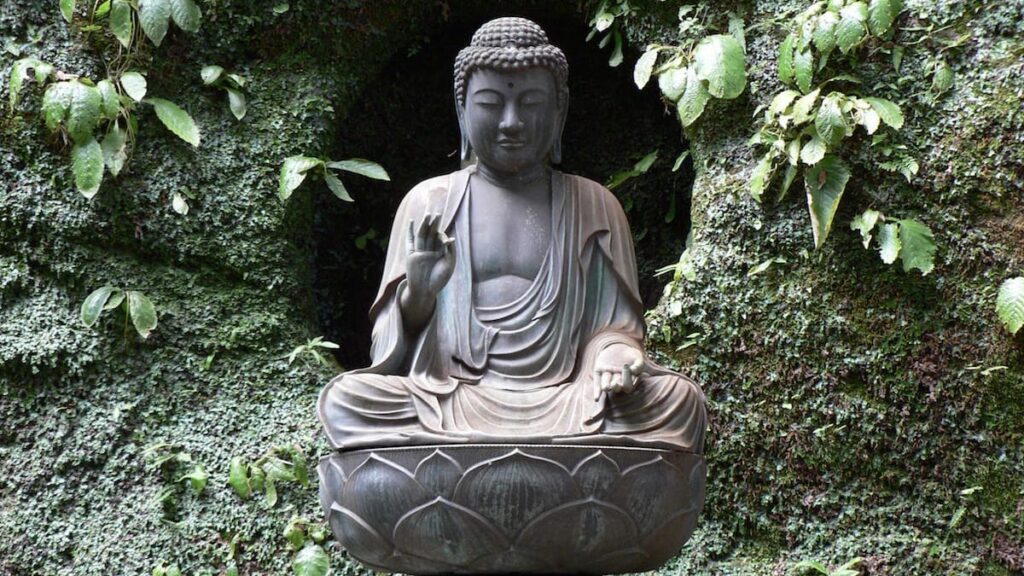
Blood, Bone, Space, and Light
Reginald Ray talks about the four foundations of mindfulness. When we look closely into our bodies, he says, we find “nothing but space, drenched in sunlight.”

The Three Bodies of Enlightenment
A teaching on the three kayas by Chögyam Trungpa Rinpoche.


What is Yogacara?
Yogacara as defined by Charles Muller, an academic who specializes in Korean Buddhism.

Nine Stages of Training the Mind
From a wild and busy mind to the perfection of equanimity, Sakyong Mipham Rinpoche lays out the nine stages of training the mind.

To Touch Enlightenment with the Body
In the part two of his series, Reginald Ray talks about how the body is not just the pathway to realization but the embodiment of enlightenment itself.

Earthquakes and Blossoms Appear
Zen teachings of Kobun Chino Otogawa Roshi, who died tragically while trying to save his young daughter from drowning.

Panel: Full-Time Practice
Joseph Goldstein, Judy Lief and Robert Thurman discuss the role of full-time practice in the West.
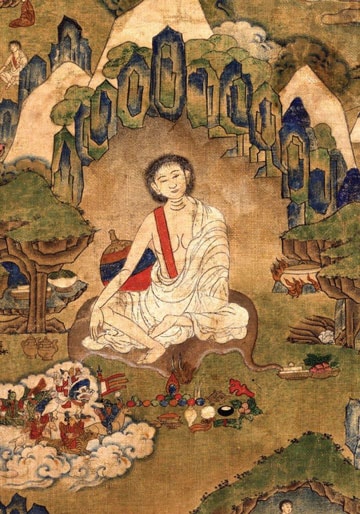
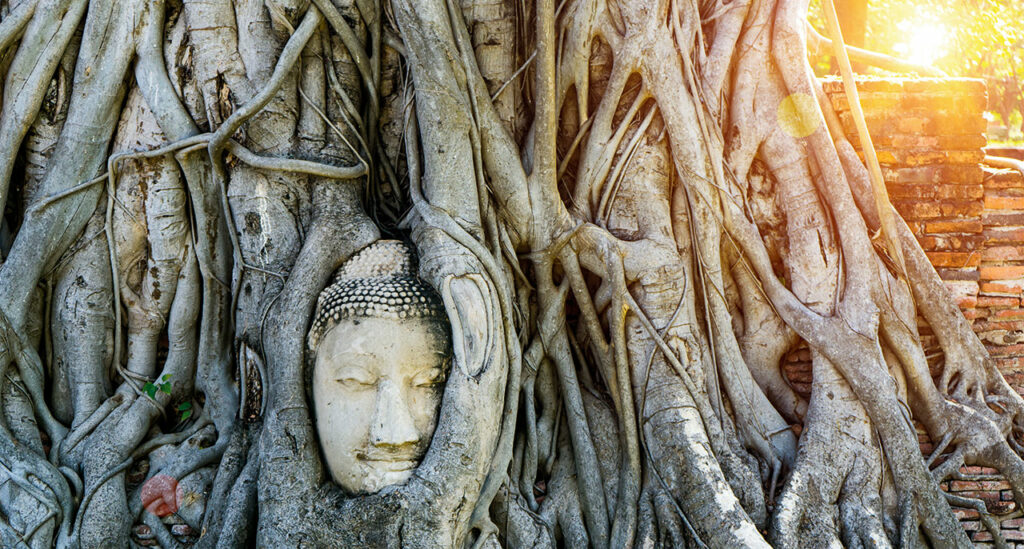
Awakening “the One Who Knows”
The late Ajahn Chah teaches on the clear and penetrating knowing which frees us from the deception and suffering of untrained mind.

Gene Smith’s Mission
Lawrence Pintak profiles Gene Smith, the man from Ogden, Utah who single-handedly spearheaded the preservation of thousands of Tibetan texts.

Mahamudra and Dzogchen: Thought-Free Wakefulness
The ability to dissolve thoughts is essential to attaining liberation, says renowned Dzogchen teacher Chökyi Nyima Rinpoche. Devotion and Pure Perception are two principles that lie at the root of Vajrayana practice that lead beyond confusion to thought-free wakefulness. Meditation training, in the sense of sustaining the nature of mind, is a way of being…

Basic Goodness or Original Sin?
Buddhist psychology is based on the notion that human beings are fundamentally good. Their most basic qualities are positive ones: openness, intelligence and warmth.


Relaxing with Suffering
"I'm certain that compassion is the only possible response to pain, yet I still sometimes become resentful when I or someone else is suffering."